
How Insulation Keeps Winnipeg Homes Warm Through Winter
Owner, Green Home Insulation
September 24, 2026 · 5 min read · Updated October 8, 2026
Winnipeg winters are hard on a home. Where heat escapes, why closed-cell spray foam works in a cold climate, and the signs your insulation needs an upgrade.
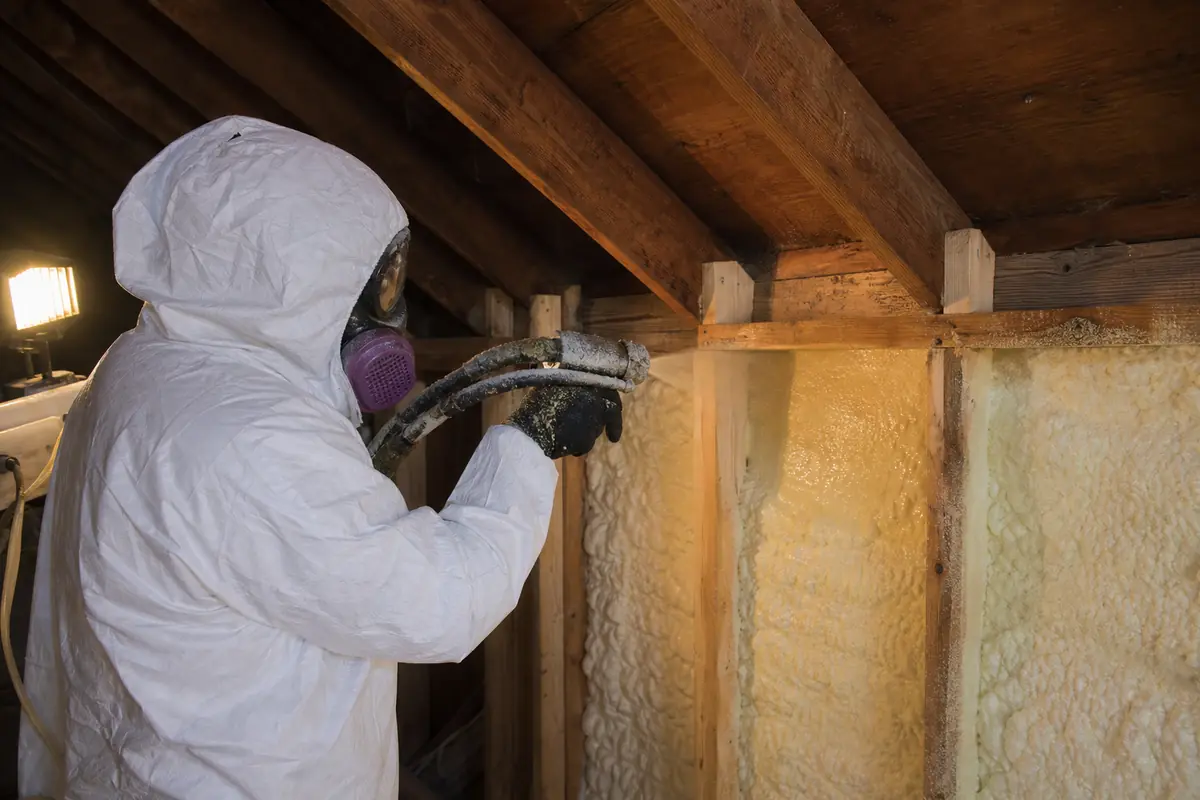
Anyone who has lived through a Winnipeg winter knows the routine. The furnace runs nonstop, the floors are cold, and there is always one room that never quite warms up. Most people blame the weather. More often, the real problem is the house itself.
When insulation is thin, old, or full of gaps, the heat you pay for leaks straight outside. In a city where winter hangs on from November into March and cold snaps push past −30°C, that adds up fast on your heating bill.
Here is what is actually happening in your home, where the heat is going, and what you can do about it.
Why are Winnipeg winters so hard on homes?
Heat always moves toward cold. The bigger the difference between inside and outside, the faster it moves. When it is 21°C in your living room and −30°C outside, your home is losing heat through every weak spot, all day and all night.
Wind makes it worse. It pushes cold air in through cracks and gaps while warm air escapes out the top of the house. This is called the stack effect, and it is why a drafty home feels cold even when the thermostat says it shouldn't.
Where is your home losing heat?
The Attic
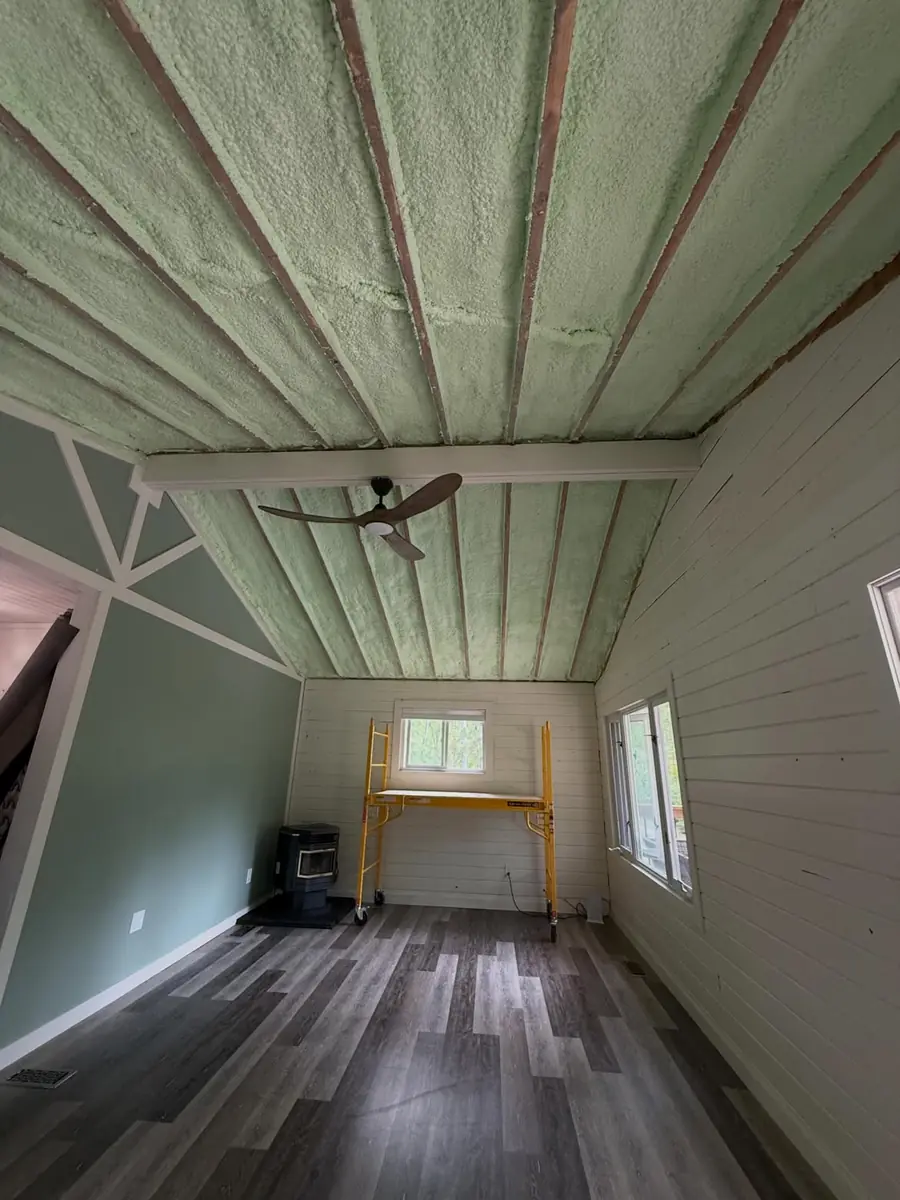
Warm air rises, so the attic is often the biggest source of heat loss. Low or settled insulation lets heat escape through the ceiling. It can also cause ice dams. Heat warms the roof, snow melts, and the water refreezes at the edge where it can back up under your shingles.
Basement Walls and Rim Joists
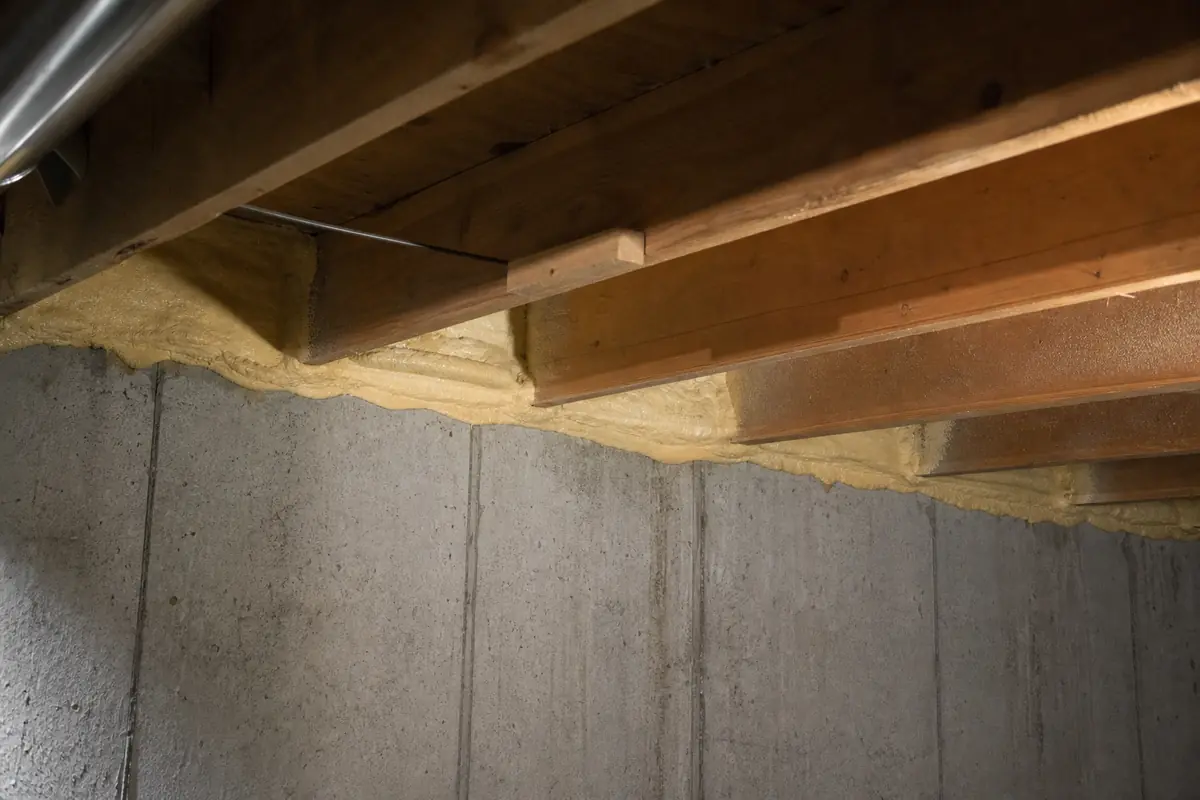
Many older Winnipeg homes have basements with little or no insulation on the concrete. The rim joist, where the floor framing sits on the foundation, is one of the most common spots for drafts and a big reason floors upstairs feel cold.
Crawl Spaces
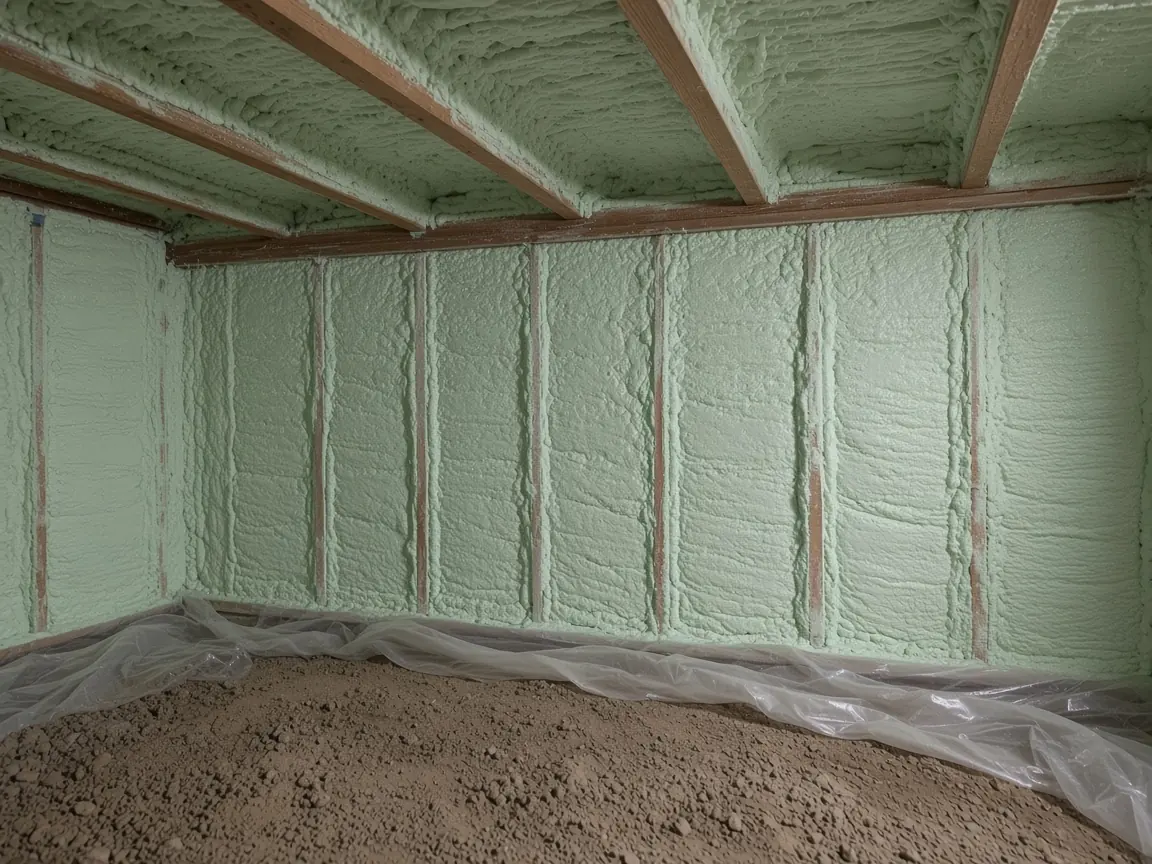
A cold crawl space means cold floors and a real risk of frozen pipes. Crawl spaces also collect moisture, which can lead to mould and rot if it isn't controlled.
Walls, Garages and Additions
Exterior walls, rooms over garages, and additions built at different times often have inconsistent insulation. These are the rooms that always feel colder than the rest of the house.
How does the right insulation lower heating costs?
Your furnace doesn't create warmth out of nothing. It burns fuel to replace the heat your home is losing. Cut the heat loss and the furnace runs less. That means lower monthly heating bills, less wear on your furnace, and a home that holds a steady temperature instead of swinging between too warm and too cold.
The benefit carries into summer too. The same insulation that keeps heat in during January keeps heat out in July, so your air conditioner does less work.
How much difference you notice depends on the age of your home, the insulation you have now, and how you heat it. The best way to know what's possible is to have your home assessed.
Why does spray foam work so well in a cold climate?
Traditional insulation like fibreglass batts slows heat loss, but air can still move through it. In a cold, windy climate, air leakage is a big part of the problem.
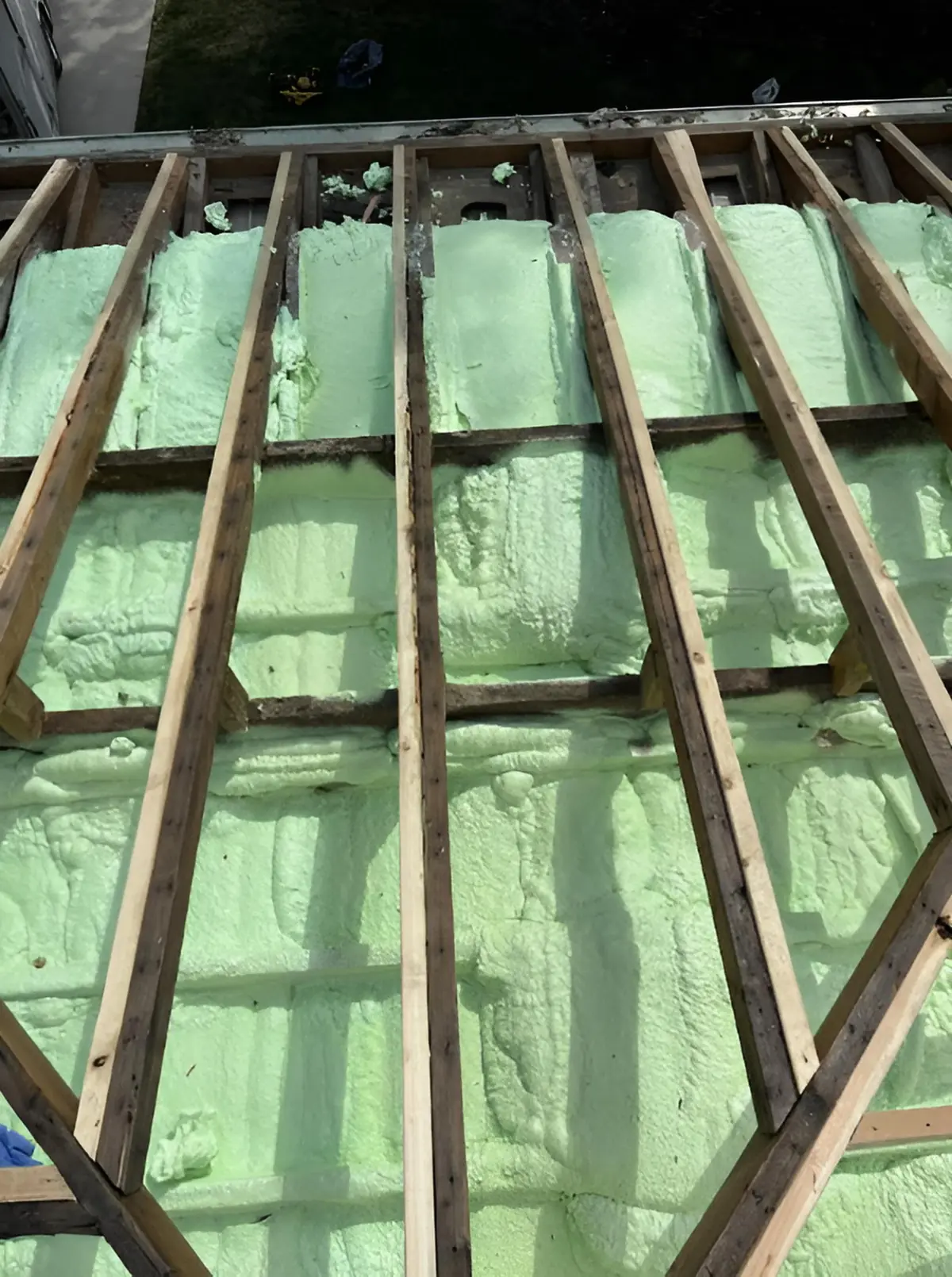
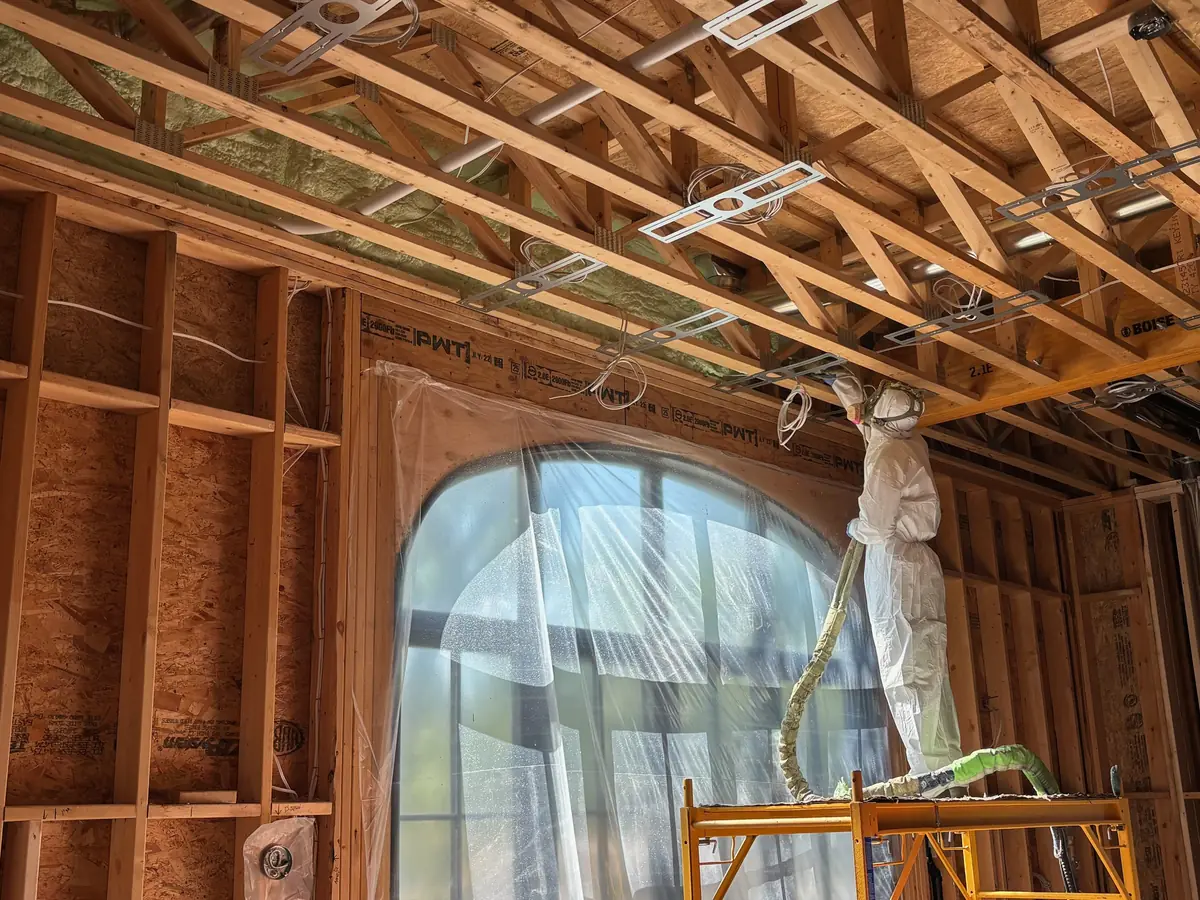
Closed-cell spray foam goes on as a liquid and expands to fill every gap, crack, and irregular space. Once cured, it:
- Insulates and air-seals in one step, stopping drafts at the source
- Resists moisture, which matters on concrete foundations, basements, and crawl spaces
- Adds strength and rigidity to walls and framing
- Won't sag, settle, or shift over time
At Green Home Insulation, we use Genyk Boreal Nature Elite, a high-performance closed-cell spray foam that delivers strong R-values with an eco-friendly formulation. Blown-in insulation is also available for select applications.
What are the signs your home needs an insulation upgrade?
- Your heating bills keep climbing even though your habits haven't changed
- Floors feel cold, especially over the basement, crawl space, or garage
- Some rooms are always colder than others
- You feel drafts near outlets, baseboards, or along the basement rim joist
- Ice dams or large icicles form along your roof in winter
- You see frost or condensation in the attic or on basement walls
- Pipes have frozen, or come close
If more than one of these sounds familiar, your home is likely losing heat you're paying for.
Why do Winnipeg homeowners choose Green Home Insulation?
We've been installing spray foam insulation in Winnipeg and the surrounding areas for 14 years. Our team works with UFC for quality assurance and takes on both residential and commercial projects, including attics, basements, walls, crawl spaces, garages, cabins, and concrete slabs.
When you call, you talk to a real person who understands your project, from the first conversation to the finished job.
Get Your Home Ready for Winter
Every winter you put off an insulation upgrade is another season of heat, and money, leaking out of your home. Green Home Insulation serves Winnipeg and surrounding areas, Monday to Saturday, 7:30 AM to 5:00 PM.
Call or text 1-204-782-0227 or request a quote to book your assessment.
FAQ
Common questions
Related services
Explore related spray foam work
Keep reading
July 15, 2026
Why Winnipeg Homes Lose Heat Through the Attic and How Closed-Cell Spray Foam Helps
Warm air rises. In a Prairie winter that means your attic is often the biggest energy leak. Here is how closed-cell spray foam seals Winnipeg roof decks and rafter bays.
July 28, 2026
Winnipeg Basement Spray Foam: Rim Joists, Moisture, and Winter Comfort
Rim joists are a classic Winnipeg cold spot. Closed-cell spray foam seals the foundation band, warms floors above, and pairs well with Efficiency Manitoba insulation rebates.