
Winnipeg Home Insulation Guide: Where to Insulate, Which Type to Choose, and Efficiency Manitoba Rebates
Owner, Green Home Insulation
October 18, 2026 · 7 min read
Attic, basement or exterior walls? Spray foam, blown-in or batts? A plain guide for Winnipeg homeowners, plus how Efficiency Manitoba insulation rebates work.
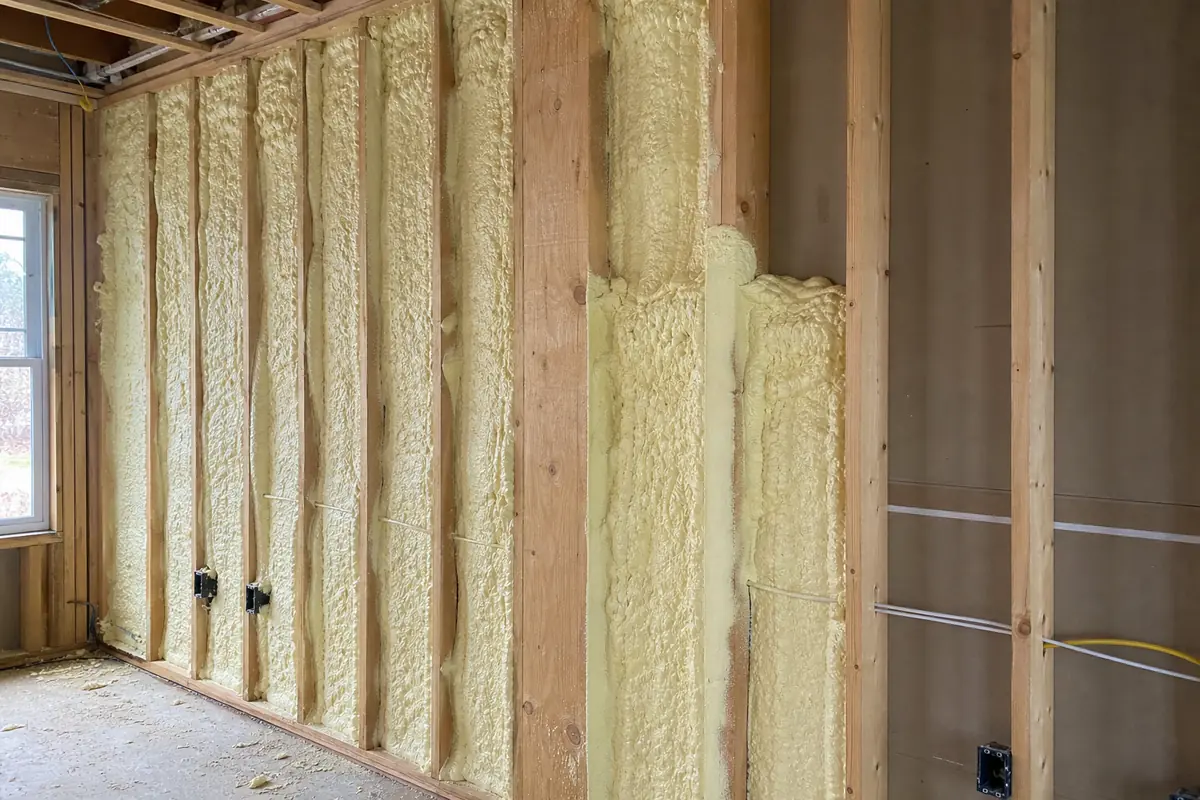
When Winnipeg homeowners call us about insulation, the conversation usually starts with three questions. Which part of the house needs work? What type of insulation makes sense? And can Efficiency Manitoba rebates help pay for it?
This guide answers all three in plain language, so you can walk into a quote already knowing what to ask. If you would rather talk it through, you can request a free quote at any point.
Which part of your Winnipeg home needs insulation?
Most heat loss in a Winnipeg home happens in three places: the attic, the basement, and the exterior walls. Your symptoms usually point to the right one.
Attic insulation
Warm air rises, so a poorly insulated attic leaks heat straight through the ceiling. Look at the attic first if you see:
- Ice dams or long icicles along the eaves (we cover why in our attic heat loss guide)
- Snow that melts off your roof faster than your neighbours’ roofs
- Upstairs bedrooms that are cold in winter and hot in summer
- Thin, flattened, or patchy insulation when you look through the hatch
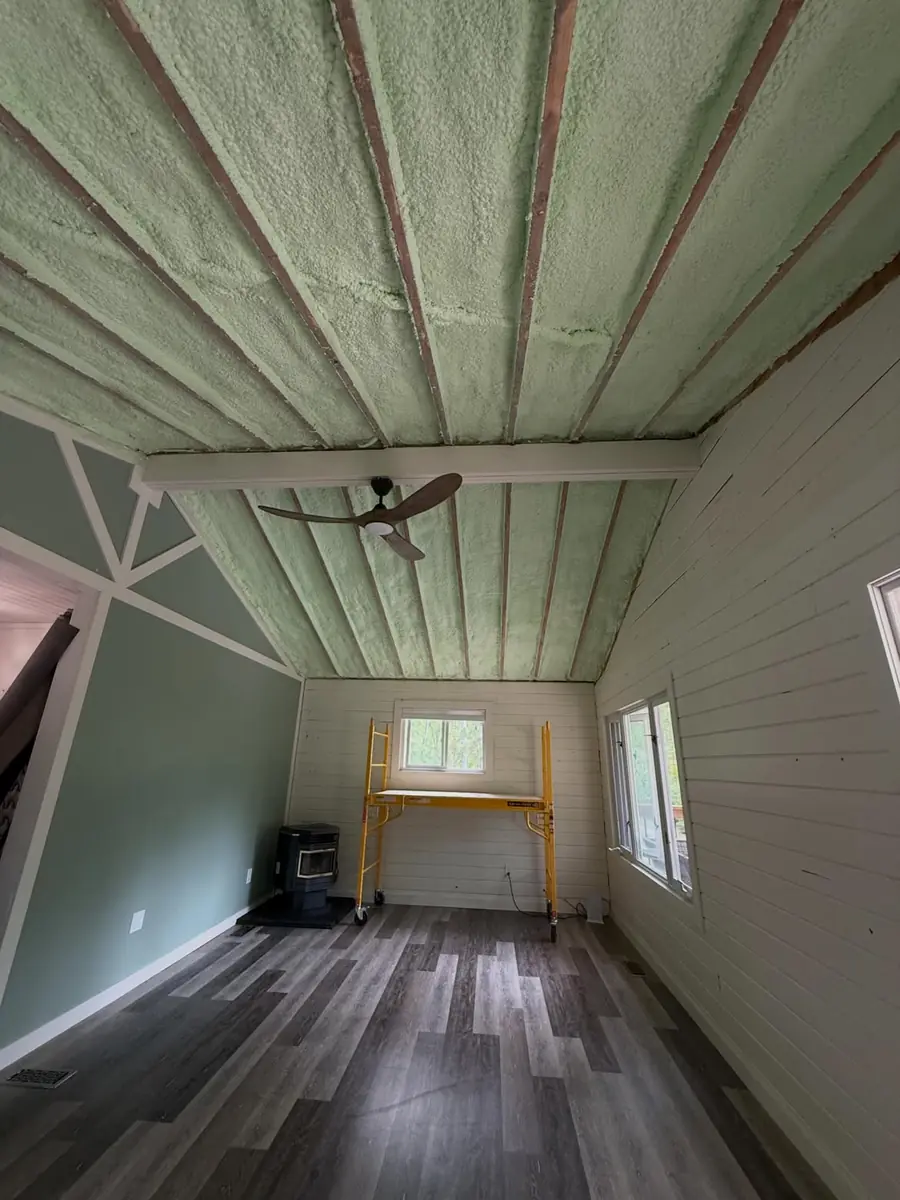
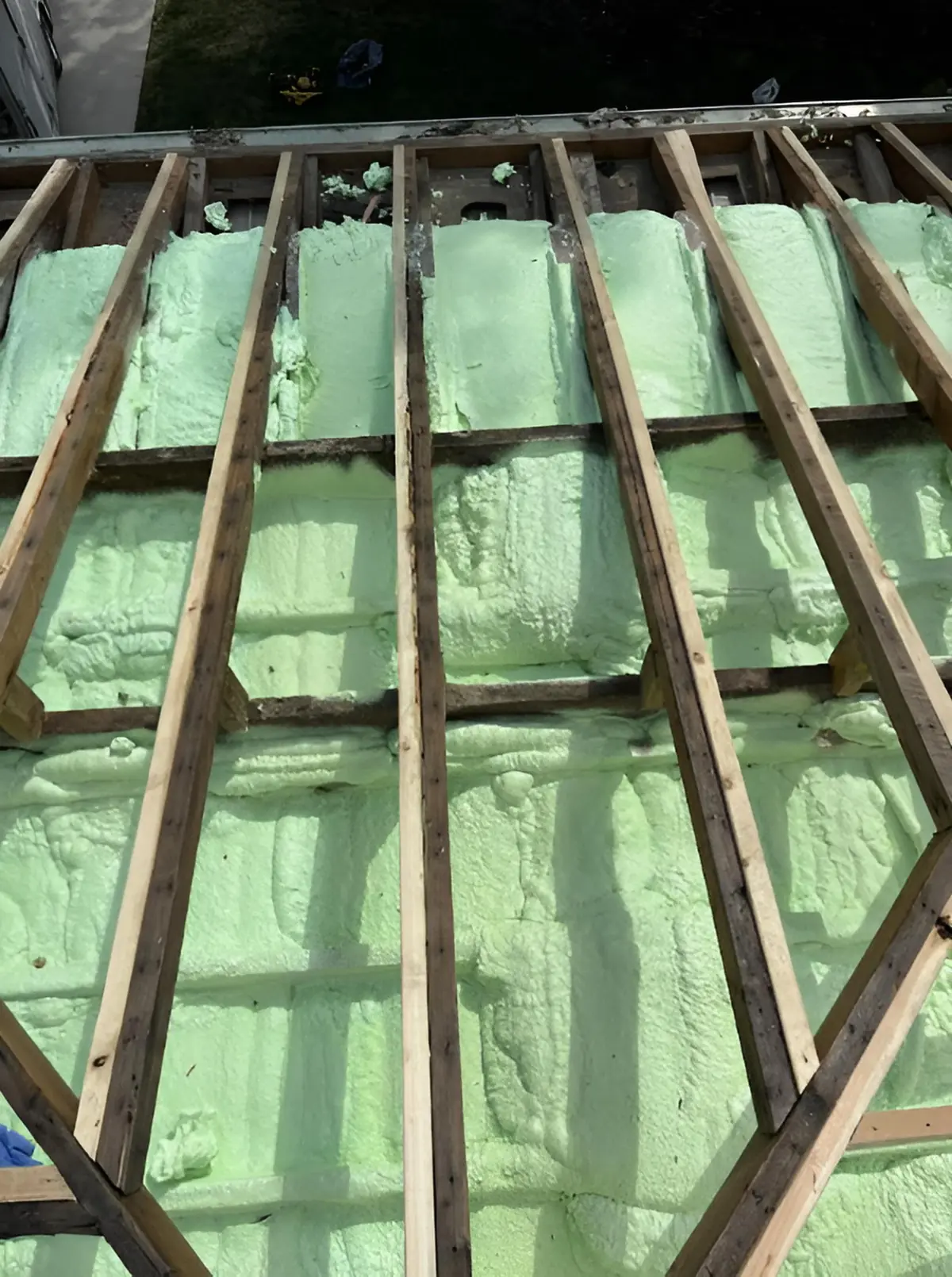
Vaulted ceilings, cathedral ceilings and roof decks are a special case. There is little or no space to pile insulation, so closed-cell spray foam applied to the roof deck is often the only way to get a good R-value and an air seal in a shallow space.
Basement insulation
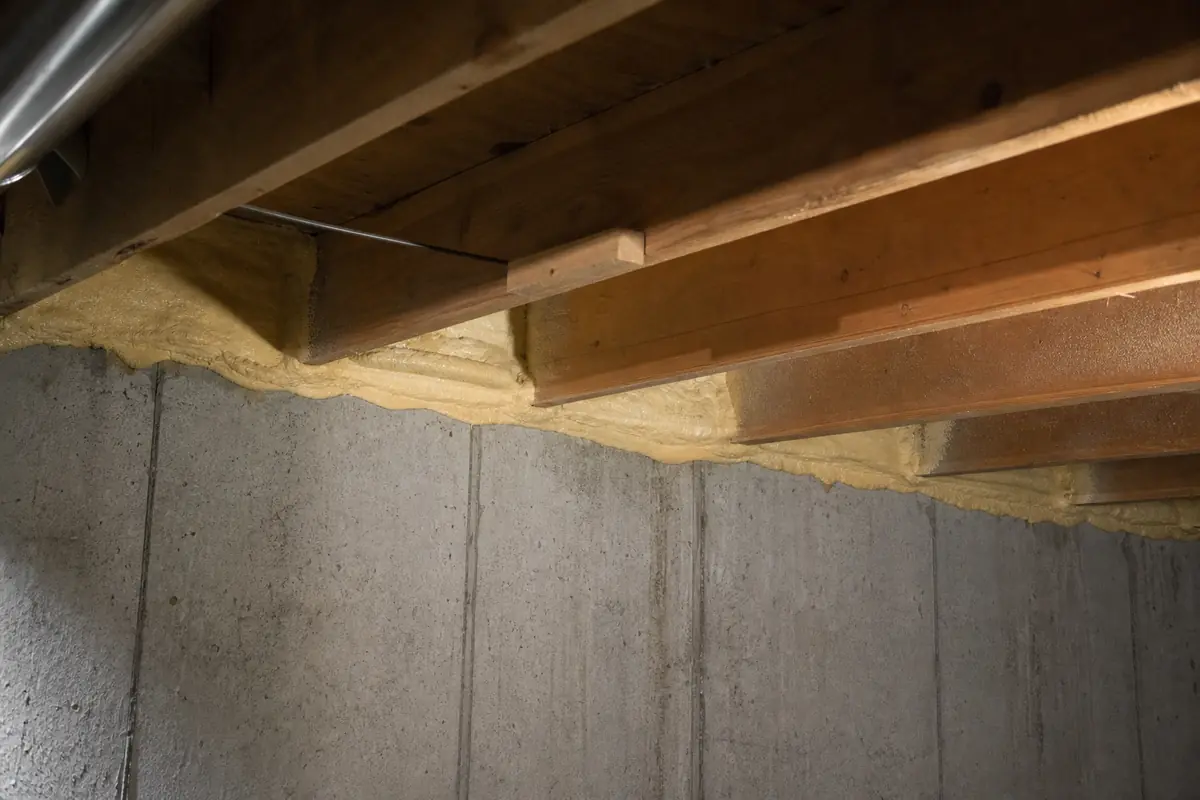
Many older Winnipeg homes have bare concrete basement walls and uninsulated rim joists. The rim joist is the band of framing that sits on top of the foundation, and it is one of the leakiest spots in the house. Start in the basement if you notice:
- Cold floors on the main level, especially along exterior walls
- Drafts or frost around the top of the foundation in January
- Damp, musty air or condensation on the concrete
- Plans to finish the basement in the next year or two
If you are finishing the basement, insulate first. Once the studs and drywall go up, the rim joists and foundation walls are much harder to reach. Our basement rim joist guide explains the details, and the same thinking applies to a crawl space or a new concrete slab.
Exterior wall insulation
Walls cover more surface area than any other part of the house, but they are usually the hardest to upgrade because they are closed in. Exterior wall insulation makes the most sense when:
- The walls are already open during a renovation, addition, or gut retrofit
- The siding or interior drywall is being replaced anyway
- One room always feels colder than the rest of the house
- A room sits over a garage or in an addition built at a different time
Not sure where to start? Many homes need more than one area. The best order is usually wherever you lose the most heat for the least cost, which is often the attic or the rim joists. An on-site walk-through tells you for sure.
Spray foam, blown-in, or batts: which insulation is right for you?
Each type of insulation has a place. The right choice depends on the area, the space you have, and whether air leaks are part of the problem. In a cold, windy city like Winnipeg, air leaks almost always are.
Closed-cell spray foam
Closed-cell spray foam is sprayed on as a liquid, expands, and sticks to the framing. It insulates and air-seals in one step, and it acts as a vapour retarder at the right thickness. It is our speciality, and the product we install most is Genyk Boreal Nature Elite.
- Best for: rim joists, basement walls, crawl spaces, roof decks, vaulted ceilings, open wall cavities and slabs
- Highest R-value per inch of the three, which matters in shallow spaces
- Seals the air leaks that cause drafts and ice dams
- Resists moisture and will not sag or settle over time
- Costs more up front than blown-in or batts
Blown-in insulation
Blown-in insulation, usually cellulose or loose fibreglass, is blown across an open attic floor. It is a common way to top up an attic that already has some insulation.
- Best for: open, easy-to-reach attic floors with plenty of height
- Lower cost per square foot for large, open areas
- Does not air-seal on its own, so leaks around pot lights, top plates and the attic hatch need to be sealed first
- Can settle over time and lose some R-value
- Not suited to basements, roof decks or tight spaces
Fibreglass batts
Batts are the pink or yellow rolls you see in most Winnipeg homes. They are cheap and easy to find, but they only work well when they are installed perfectly.
- Best for: new construction or open stud walls on a tight budget
- Lowest material cost
- Gaps, compression and wiring leave paths for cold air, which shows up as drafts in a Manitoba winter
- Needs a separate air and vapour barrier, and does not hold up well in damp areas such as rim joists
Our honest take: for basements, crawl spaces, roof decks and open walls, closed-cell spray foam usually gives the best result in our climate. For a wide-open attic floor, blown-in can be a reasonable budget option once the air leaks are sealed. We spray closed-cell foam, and if your attic is a better fit for blown-in, we will tell you.
Can Efficiency Manitoba rebates help pay for insulation?
Often, yes. Efficiency Manitoba runs a Home Insulation Rebate for Manitoba homeowners who add insulation to eligible areas of their home. Green Home Insulation participates in the program, so we can help you figure out what may apply before work starts.
How the rebate process usually works
- Check the current program rules and eligible areas on the Efficiency Manitoba website
- Request a quote and tell us you want to apply for the rebate
- Ask what records you need before the job starts, such as photos or a record of the existing insulation, because some requirements cannot be met after the work is finished
- Keep your invoice and any product and R-value details we provide
- Submit your application to Efficiency Manitoba once the work is complete
Rebate amounts, eligible areas and deadlines change from time to time, so always confirm the details on the Efficiency Manitoba program page before you book. We are happy to walk you through it when we visit.
How to plan your insulation project in Winnipeg
- Note the symptoms: cold rooms, drafts, ice dams, high heating bills, damp basement
- Decide which areas matter most: attic, basement, exterior walls, or a combination
- Think about upcoming renovations, so you insulate before walls or basements are closed in
- Ask about rebates before the work starts, not after
- Get a written quote that lists the area, the product and the thickness or R-value. See our past projects for examples.
Talk to a Winnipeg insulation contractor
Green Home Insulation is a closed-cell spray foam contractor based in Rosser, Manitoba, serving Winnipeg and the surrounding area. Our team handles everything from attic and basement spray foam to cabins and pole barns, with UFC quality assurance on our work.
Tell us which part of your home needs work, which type of insulation you are leaning toward, and whether you want help with Efficiency Manitoba rebates. Call 1-204-782-0227 or request a quote and we will come back with a clear, written price.
FAQ
Common questions
Related services
Explore related spray foam work
Keep reading
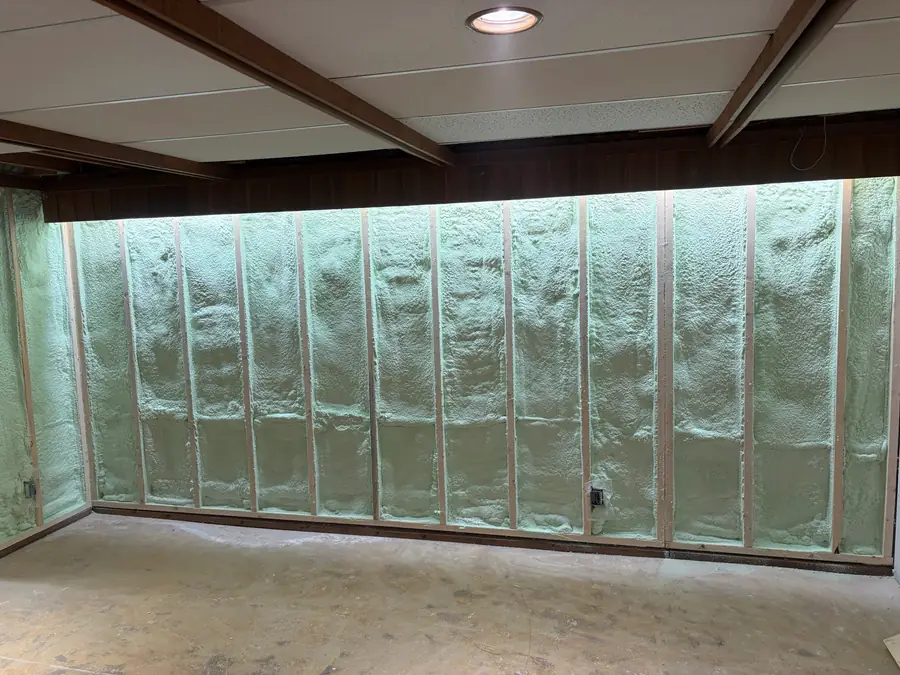
How Insulation Keeps Winnipeg Homes Warm Through Winter
Winnipeg winters are hard on a home. Where heat escapes, why closed-cell spray foam works in a cold climate, and the signs your insulation needs an upgrade.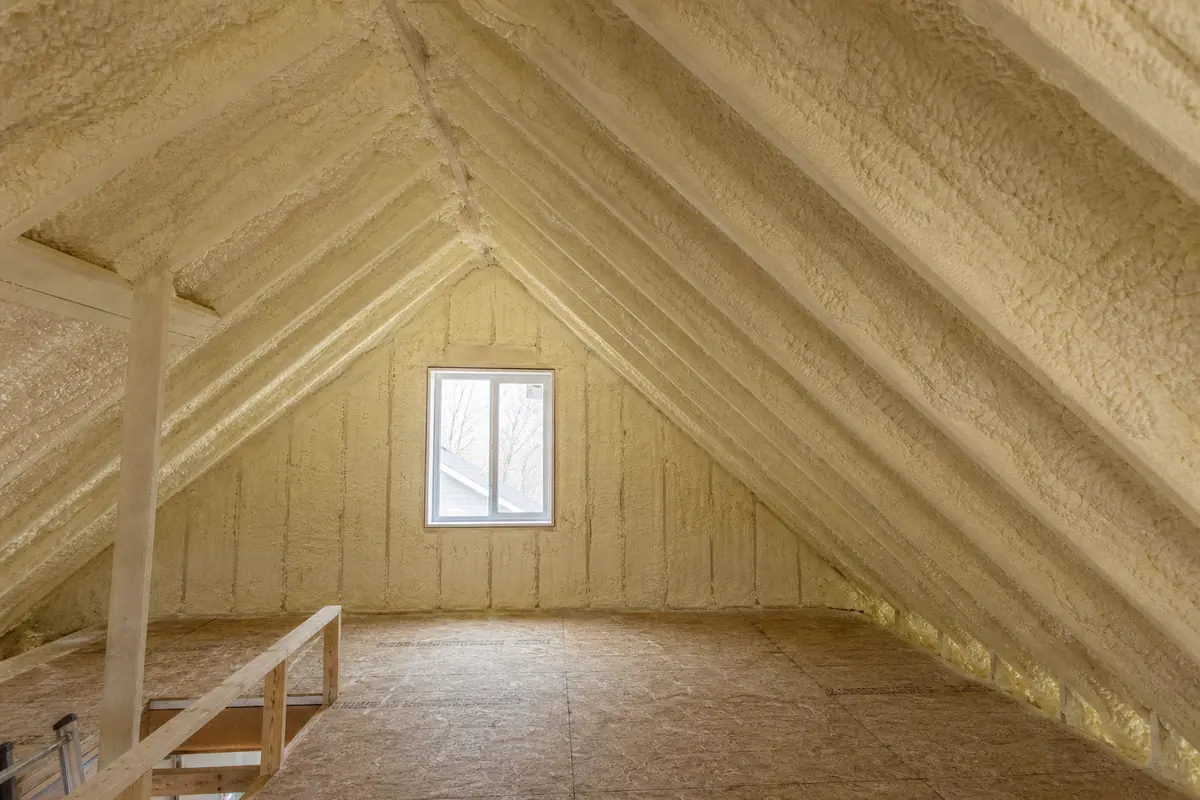
Why Winnipeg Homes Lose Heat Through the Attic and How Closed-Cell Spray Foam Helps
Warm air rises. In a Prairie winter that means your attic is often the biggest energy leak. Here is how closed-cell spray foam seals Winnipeg roof decks and rafter bays.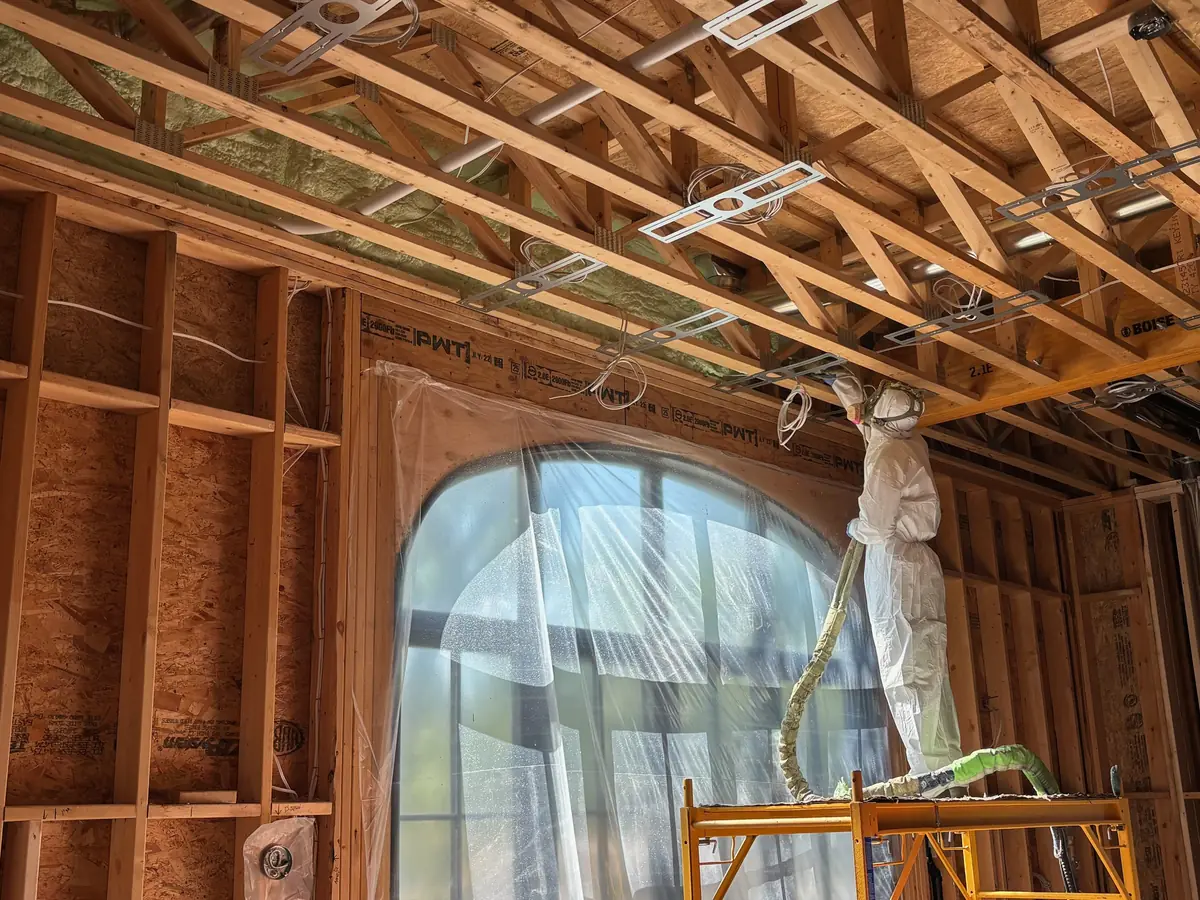
Winnipeg Basement Spray Foam: Rim Joists, Moisture, and Winter Comfort
Rim joists are a classic Winnipeg cold spot. Closed-cell spray foam seals the foundation band, warms floors above, and pairs well with Efficiency Manitoba insulation rebates.